In recent years, the Nigerian government has proposed a comprehensive ban on the import of solar photovoltaic panels (solar panels) to promote domestic industrialization, save foreign exchange, and boost employment. In March 2025, Minister of Technology Uche Nnaji announced in Abuja that the country would stop importing solar panels in the future and rely instead on domestic production capacity, with the national agency NASENI cooperating with local private enterprises to develop the local photovoltaic industry.

The intent behind this move is to revitalize domestic manufacturing, reduce dependency on external sources, and promote the development of the 'local content' industrial chain. According to official statements, Nigeria is capable of meeting domestic solar energy demand through the collaboration of private enterprises and national institutions. Meanwhile, several new factories are under construction, which are expected to significantly increase domestic production capacity in the coming years.

However, the policy has also raised widespread concerns. Critics point out that current solar panel production capabilities in Nigeria are still seriously insufficient. Even the country's largest photovoltaic assembly plant — located in Lagos — produces only about 72,000 panels annually, far from enough to meet the needs of tens of millions of people without access to electricity nationwide.

In addition, several industry experts warn that if the ban takes effect abruptly and imports are immediately reduced, it may cause market supply shortages and sharp price increases. Some new energy projects may be forced to be shelved, while ordinary households and small businesses will face greater difficulties in accessing affordable solar systems.

Against this backdrop, for Chinese photovoltaic companies — especially ONESUN, which has mature technology and products — actively responding to Nigeria's localization needs with product and technical support and collaborative development in the local industry could potentially make them major beneficiaries of the policy incentives. The following is a detailed analysis:

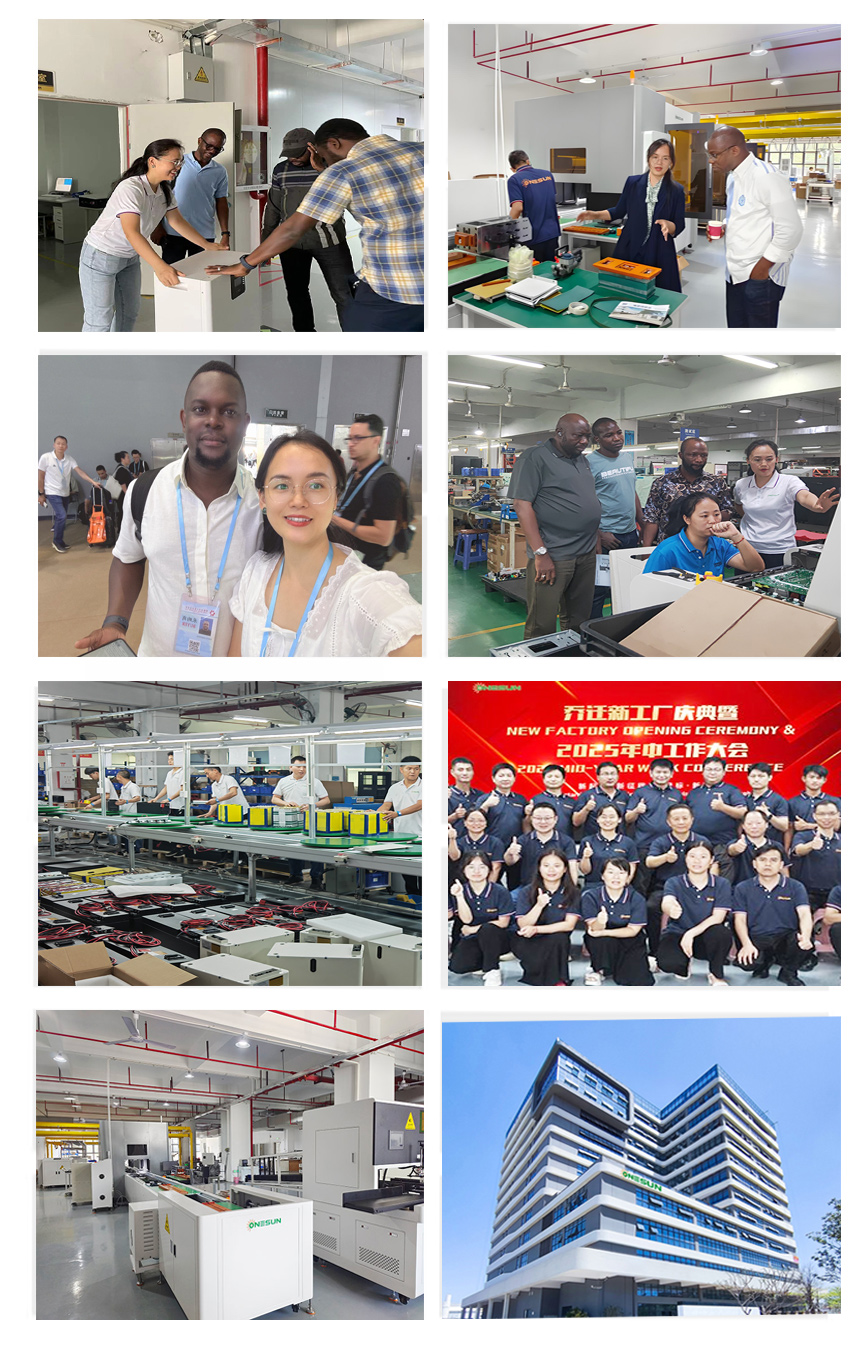
ONESUN can leverage its experience in solar panel production, component manufacturing, technology R&D, and quality control to provide Nigerian local manufacturers with full-chain technical support from 'design — equipment — manufacturing.' This will significantly enhance local factories' capabilities from assembly to full manufacturing and reduce dependence on imported raw materials and semi-finished products.
By collaborating with local companies and institutions (such as NASENI), ONESUN can help establish compliant, standardized production systems and ensure product quality meets international certification standards. This is crucial for enhancing local product competitiveness and building market trust.

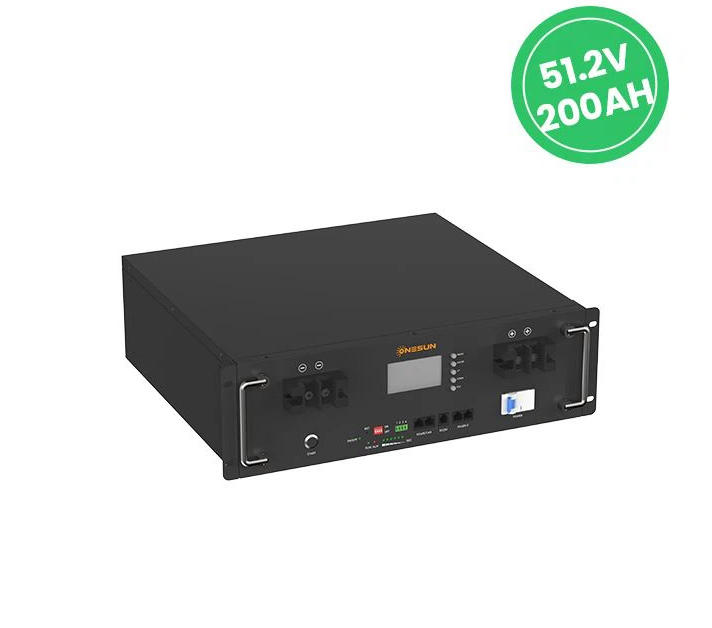
ONESUN can provide project solutions, including solar panels, inverters, lithium batteries, and system integration, helping Nigeria accelerate the deployment of clean energy infrastructure and meet the urgent solar energy needs of urban, rural, off-grid, or weak electricity areas.
This cooperation model is also in line with Nigeria's government policies of 'local content first + introduction of foreign technology/capital + win-win cooperation.' If managed well, ONESUN can not only gain market share but also achieve long-term, sustainable industrial development in Nigeria.
Of course, to ensure the success of the collaboration, the following points need to be considered: In summary, against the backdrop of Nigeria's push to ban the import of photovoltaic panels and accelerate the development of its domestic photovoltaic industry,
ONESUN providing solar energy storage products, technology and solutions support, and cooperating locally to build factories, is a strategic direction worth actively pursuing. In this way, it not only promotes the localisation of Nigeria's photovoltaic industry but also brings new growth opportunities for ONESUN — becoming an important bridge for China-Africa photovoltaic cooperation and achieving mutual development.
Article Source: Lithium battery manufacturer - ONESUN China
Featured Recommendations:Communication Rack Battery , Complete Solar Kits ,Solar Power Station , portable solar generator , LiFePO4 solar battery ,
Related Products
Communication Rack Battery-R-51.2V 200AH-Telecom Base Backup Power
Complete Solar Kits-6kw 15kwh, Easy Installation
Wall-Mounted Battery
Rack-Mounted Battery
Floor-Standing Battery
High-Voltage Rack-Mounted Battery
High-Voltage Stacked Battery
Lead Acid Replacement Battery
20ft/40ft Container ESS | 3.4MWh Capacity, 500kW Power
50KW 100KWH Industrial Energy Storage System
30KW 60KWH Three Phase Energy Storage Solution
20KW 30KWH Commercial & Industrial Energy Storage System